
Home / The Complete Guide To Veterinary Care For Pets
The Complete guide to veterinary
Expert advice from the caring team at FAB Vets in Norton, Stourbridge
Whether you've just welcomed a new puppy or kitten into your family, have an older pet needing a little extra care, or simply want reliable advice from experienced veterinary professionals, you've come to the right place.
At FAB Vets, we believe that informed pet owners make the best decisions for their animals. That's why we've created this comprehensive guide to veterinary care—a free resource designed to answer the questions that pet owners ask every day and help you better understand your pet's health, wellbeing and veterinary care throughout every stage of life.
As an independent veterinary practice based in Norton, Stourbridge, we're proud to care for dogs, cats, rabbits and other small companion animals from across the local area, including Wollaston, Pedmore, Amblecote, Wordsley, Kingswinford, Kinver, Hagley, Belbroughton, Kidderminster and many surrounding communities. Every day, we help families with everything from routine health checks and vaccinations to advanced diagnostics, surgery and emergency treatment.
This guide brings together our knowledge and experience in one easy-to-use place. Rather than searching through dozens of different websites, you'll find straightforward answers to many of the most common questions about pet ownership, preventative healthcare, illnesses, treatments and veterinary services.
Each section has been written in clear, everyday language to help you understand not only what veterinary care involves, but also why it's important. Wherever appropriate, we've included practical advice, explained when you should contact a vet, and signposted you to more detailed information on specific topics.
No online guide can replace professional veterinary advice, and every pet is unique. If you're worried about your pet, notice a change in their behaviour or health, or simply need reassurance, we always recommend speaking to a qualified veterinary professional as soon as possible. Early diagnosis and treatment can often make a significant difference to your pet's health and recovery.
At FAB Vets, we understand that pets are much-loved members of the family. Our aim has always been to provide compassionate, high-quality veterinary care in a friendly and welcoming environment where both pets and their owners feel comfortable and supported.
We hope this guide becomes a trusted resource that you return to whenever you have a question about your pet's health. Whether you're looking for preventative advice, information about a particular condition, or simply want to understand what to expect from a veterinary visit, we're here to help.
If you can't find the answer you're looking for, or you'd like to discuss your pet's individual needs, please don't hesitate to get in touch with the friendly team at FAB Vets. We're always happy to help.

Book an appointment
You can book an appointment quickly and easily using our online booking system, or if you’d prefer to speak to us, just give us a call on 01384 837 820 and our friendly team will be happy to help.
book appointment
Inside, you'll discover information on topics including:
Choosing the right veterinary practice
Preventative healthcare and annual health checks
Vaccinations and parasite prevention
Caring for puppies and dogs
Caring for kittens and cats
Rabbits and other small pets
Microchipping and identification
Diagnostic tests and imaging
Medical conditions and ongoing care
Surgery and anaesthesia
Dental care
Emergency and out-of-hours treatment
Pet insurance and veterinary costs
Travelling with pets
Caring for senior pets
End-of-life care and family support
Section 1 – Choosing a Veterinary Practice
1. How do I choose the right veterinary practice?
When choosing a veterinary practice, consider the experience of the team, range of services, location, facilities, availability and reputation within the local community. It is also important to choose a practice where you and your pet feel comfortable. FAB Vets takes a personal approach to veterinary care, focusing on your pet's individual needs and providing clear, compassionate support throughout their care.
2. Why should I register my pet before they become ill?
Registering your pet when they are healthy means you already have veterinary care in place should they become unwell or have an accident. It also allows the team to get to know your pet, establish their medical history and provide preventative healthcare. At FAB Vets, building a relationship with your pet from the beginning helps the team understand what is normal for them and recognise potential changes over time.
3. What are the advantages of an independent veterinary practice?
An independent veterinary practice can offer a more personal approach to pet care, with a strong focus on individual patients and their owners. Independent practices can also provide continuity of care and develop close relationships with the communities they serve. FAB Vets combines professional veterinary expertise with a friendly, personal service, helping clients feel that their pet is genuinely known and cared for.
4. What should I expect during my first visit?
Your first appointment gives the veterinary team an opportunity to get to know you and your pet. The vet will discuss your pet's history, lifestyle and any concerns you have before carrying out an appropriate examination. At FAB Vets, appointments are designed to give owners the opportunity to ask questions and understand their pet's health, treatment and preventative care.
5. Can I request the same vet each time?
Yes, you can request to see the same vet where appointment availability allows. Having continuity with a familiar vet can help build trust and means they can become familiar with your pet's medical history, behaviour and individual needs. FAB Vets aims to provide continuity of care wherever possible, while the wider team is available when another vet is more appropriate or your usual vet is unavailable.


6. What information should I bring to my appointment?
Bring any relevant medical records, vaccination information, details of current medication and information about your pet's diet and lifestyle. If you have noticed changes in their behaviour, appetite, drinking, weight or general health, make a note of these before your appointment. If you are registering with FAB Vets from another practice, having your pet's previous records available can help the team provide informed and consistent care.
7. How often should healthy pets have a check-up?
Healthy pets should generally have a veterinary health check at least once a year. Puppies, kittens, senior pets and animals with specific health requirements may need more frequent appointments. Regular check-ups at FAB Vets provide an opportunity to monitor your pet's health, keep preventative care up to date and identify potential problems at an early stage.
8. What makes a veterinary practice trustworthy?
A trustworthy veterinary practice should have a qualified and experienced team, high standards of animal care and clear communication with owners. You should feel comfortable asking questions and confident that treatment recommendations are explained properly. At FAB Vets, the focus is on honest advice, compassionate care and making decisions based on the individual needs and welfare of your pet.
9. What areas do FAB Vets cover?
FAB Vets serves pet owners in the local area and surrounding communities, making it convenient for owners looking for a veterinary practice close to home. The exact areas covered can depend on the location and service required. If you are unsure whether you are within the FAB Vets catchment area, contact the practice and the team can confirm whether they can provide veterinary care for your pet.
10. Why do local reviews matter?
Local reviews can give you an insight into other owners' experiences with a veterinary practice, including the quality of communication, standard of care and how the team treats both pets and their owners. Reviews should be considered alongside the practice's qualifications, services and approach to care. Positive feedback about FAB Vets can help demonstrate the personal, compassionate experience that local pet owners can expect when choosing the practice.
Section 2 – Your First Visit
1. How do I register with FAB Vets?
Registering with FAB Vets is the first step towards establishing ongoing veterinary care for your pet. You can contact the practice to discuss registration, provide your pet's details and arrange an initial appointment. The team can guide you through the process and let you know what information they need before your first visit.
2. What happens during my first consultation?
Your first consultation gives the FAB Vets team the opportunity to get to know you and your pet. Your vet will discuss your pet's medical history, lifestyle, diet and any concerns before carrying out a thorough health assessment. They will then explain any findings and recommend appropriate preventative care, treatment or further investigations where necessary.
3. How long do appointments last?
Appointment times can vary depending on the reason for your visit, your pet's individual needs and whether further examination or discussion is required. FAB Vets aims to give each pet appropriate time and attention rather than rushing consultations, allowing you to discuss your concerns and ask questions.
4. How should I prepare my pet?
Keep your pet as calm and comfortable as possible before their appointment. Avoid making unnecessary changes to their routine and bring any relevant medication, records or information about their health. For dogs and cats, using a secure carrier or lead where appropriate can also help make travelling to the practice safer and less stressful.
5. What if my pet is nervous?
Let the FAB Vets team know when booking your appointment if your pet is nervous, anxious or has previously found veterinary visits difficult. This allows the team to take their temperament into account and approach the consultation at a suitable pace. A calm, patient approach can help your pet feel more comfortable and make the examination easier.


6. Should I bring previous medical records?
Yes, previous medical records can be useful, particularly if you are moving your pet from another veterinary practice. Information such as vaccination history, previous illnesses, test results and current medication can help the FAB Vets team understand your pet's medical background and make informed decisions about their ongoing care.
7. What questions should I ask the vet?
Ask anything you are unsure about. Useful questions could include whether your pet's weight is healthy, what preventative treatments they need, whether their diet is appropriate and what signs of illness you should look out for. At FAB Vets, the team welcomes questions and aims to explain recommendations clearly, so you can feel confident about caring for your pet at home.
8. Can children come to appointments?
Children may be able to accompany you to your pet's appointment, although this can depend on the circumstances of the visit and the practice environment. If you are planning to bring children, it is sensible to check with FAB Vets beforehand. This is particularly important for appointments involving procedures, examinations or situations where a calm environment is needed.
9. What happens after the consultation?
After the consultation, your vet will explain any recommended treatment, medication, preventative care or follow-up appointments. If your pet needs further tests or investigations, the team will discuss the next steps with you. FAB Vets aims to make sure owners understand the plan for their pet rather than leaving them uncertain about what happens next.
10. When should I book the next visit?
The right time for your next appointment depends on your pet's age, health, treatment and preventative care requirements. Your FAB Vets vet will advise you when a follow-up is appropriate. Even if your pet appears healthy, regular health checks are important for monitoring their wellbeing and identifying potential problems early.
Section 3 – Preventative Healthcare for Pets
1. Why are routine health checks important?
Routine health checks allow your vet to monitor your pet's overall health and identify changes that may not be obvious at home. At FAB Vets, regular examinations provide an opportunity to assess your pet's condition, discuss any concerns and put appropriate preventative care in place before minor issues potentially become more serious.
2. How often should my pet have a health check?
Most healthy pets should have a veterinary health check at least once a year, although the ideal frequency depends on factors such as age, species, breed and existing health needs. Puppies, kittens and older pets may benefit from more frequent monitoring. FAB Vets can recommend a check-up schedule suited to your individual pet rather than taking a one-size-fits-all approach.
3. What does a wellness examination include?
A wellness examination generally involves a physical assessment of your pet, including areas such as their eyes, ears, mouth, skin, coat, heart, lungs, abdomen and overall body condition. Your vet may also discuss weight, nutrition, behaviour, vaccinations, parasite prevention and lifestyle. At FAB Vets, this provides a valuable opportunity to build a complete picture of your pet's health and identify anything that may need further attention.
4. How do vets detect early disease?
Vets can identify potential health problems through physical examinations, your pet's medical history and changes in weight, behaviour or body condition. Where appropriate, further investigations such as blood tests, urine tests or diagnostic imaging may help provide more information. At FAB Vets, the team combines careful clinical assessment with appropriate diagnostic investigations when there is a reason to investigate a potential problem further.
5. How important is weight management?
Maintaining a healthy weight is an important part of your pet's long-term wellbeing. Being overweight can increase the risk of various health problems and can affect mobility and quality of life. FAB Vets can monitor your pet's weight and body condition during routine appointments and provide practical advice on feeding, exercise and appropriate weight management.
6. Can vets advise on nutrition?
Yes. Your pet's nutritional requirements can change according to their age, breed, lifestyle, weight and health. The FAB Vets team can discuss your pet's diet and help you understand whether their current food and feeding routine are appropriate. Where a specific health condition requires dietary management, your vet can also advise on suitable nutritional options.
7. Why are annual check-ups worthwhile?
Annual check-ups give your vet the opportunity to assess your pet when they appear healthy, rather than only seeing them when something is wrong. This can help establish what is normal for your pet and make it easier to identify changes over time. Regular appointments at FAB Vets also provide an opportunity to review preventative healthcare, discuss concerns and keep your pet's care up to date.
8. What are pet health plans?
Pet health plans are designed to help owners spread the cost of routine preventative healthcare throughout the year. Depending on the plan, this may include elements of preventative care such as vaccinations, parasite protection or routine health checks. FAB Vets can explain the options available and help you determine whether a health plan is suitable for your pet and their ongoing healthcare needs.
9. How does preventative care save money?
Preventative healthcare can help identify potential problems earlier, when they may be easier or less costly to manage. Keeping vaccinations, parasite prevention, weight management and routine examinations up to date can also help reduce avoidable health complications. Choosing FAB Vets for ongoing preventative care gives you the support of a veterinary team that can monitor your pet's health throughout their life.
10. How does preventative care improve quality of life?
Preventative care helps keep pets healthier by addressing their healthcare needs before problems have a significant impact on their daily lives. Regular examinations, appropriate nutrition, weight management, parasite control and early identification of illness can all contribute to better long-term wellbeing. At FAB Vets, preventative healthcare is about more than treating illness — it is about helping your pet enjoy a healthier, more comfortable life.
Section 4 – Vaccinations
1. Why are vaccinations important?
Vaccinations help protect pets against serious infectious diseases that can cause significant illness and, in some cases, be life-threatening. Keeping vaccinations up to date also helps reduce the spread of disease within the wider pet population. At FAB Vets, your pet's vaccination requirements can be assessed based on their age, lifestyle and individual circumstances.
2. When should puppies be vaccinated?
Puppies typically receive their initial course of vaccinations when they are young, with the exact timing depending on the vaccine used and veterinary guidance. Your FAB Vets vet will advise you on the appropriate vaccination schedule for your puppy and when they can safely begin mixing with other dogs and visiting higher-risk environments.
3. When should kittens be vaccinated?
Kittens generally receive their primary vaccination course at a young age, followed by boosters to maintain protection. The timing can vary depending on the vaccine and your kitten's individual circumstances. FAB Vets can create an appropriate vaccination schedule and discuss which vaccinations are recommended based on your kitten's lifestyle.
4. What diseases do dog vaccinations prevent?
Dog vaccinations can protect against several serious infectious diseases, including canine parvovirus, distemper, infectious canine hepatitis and leptospirosis. Depending on your dog's circumstances, additional vaccinations may also be recommended. At FAB Vets, your vet can explain the diseases covered by each vaccination and recommend protection appropriate for your dog's lifestyle.
5. What diseases do cat vaccinations prevent?
Routine cat vaccinations can protect against important diseases such as feline panleukopenia, feline herpesvirus and feline calicivirus. Additional protection may be recommended depending on your cat's lifestyle and risk of exposure. The FAB Vets team can discuss the most appropriate vaccination programme for your cat and explain why each vaccination may be recommended.

6. Do rabbits need vaccinations?
Yes. Vaccination is an important part of preventative healthcare for rabbits. Rabbits can be vaccinated against serious diseases including myxomatosis and rabbit haemorrhagic disease (RHD). Even rabbits that live indoors can be exposed to disease, so it is worth discussing vaccination with FAB Vets to establish an appropriate preventative healthcare plan.
7. How often are booster vaccinations required?
Booster requirements vary depending on the type of vaccine, your pet's age, lifestyle and individual risk factors. Some vaccinations require annual boosters, while others may have different recommended intervals. FAB Vets will advise you when your pet's boosters are due and help you keep their vaccination protection up to date.
8. Are vaccinations safe?
Vaccinations are routinely used to protect pets from potentially serious infectious diseases and are generally considered safe. As with any veterinary treatment, some pets can experience temporary reactions following vaccination. Your FAB Vets vet can discuss potential side effects, assess your pet's individual circumstances and answer any concerns you may have before vaccination.
9. What happens if my pet misses a vaccination?
If your pet's vaccination or booster is overdue, contact FAB Vets rather than assuming they need to restart their entire vaccination programme. The appropriate action depends on how long the vaccination has been overdue, which vaccines your pet has previously received and their individual circumstances. The veterinary team can review their records and recommend the appropriate next steps.
10. Can older pets still be vaccinated?
Yes. Older pets can still benefit from vaccination, although their requirements should be assessed individually. Age alone does not necessarily mean vaccination is no longer appropriate. At FAB Vets, your vet can consider your pet's health, lifestyle, previous vaccination history and potential exposure risks before recommending an appropriate vaccination plan.
Section 5 – Flea, Tick & Worm Prevention
1. Why should parasites be prevented?
Parasites such as fleas, ticks and worms can cause discomfort and illness in pets, while some can also pose a risk to people. Regular preventative treatment helps reduce these risks and protects your pet's long-term health. At FAB Vets, parasite prevention can be tailored to your pet's species, lifestyle, age and individual risk rather than relying on a one-size-fits-all approach.
2. How often should dogs be wormed?
There is no single worming schedule that is suitable for every dog. The appropriate frequency depends on factors such as your dog's age, lifestyle, environment, hunting behaviour and exposure to other animals. FAB Vets can assess your dog's individual risk and recommend an appropriate worming programme, including advice on protecting against parasites such as roundworms and tapeworms.
3. How often should cats be wormed?
The frequency of worming depends on your cat's lifestyle and risk of exposure. Outdoor cats that hunt or regularly come into contact with other animals may have different requirements from indoor cats. The FAB Vets team can assess your cat's individual circumstances and recommend suitable parasite prevention rather than prescribing the same routine for every cat.
4. What parasites affect rabbits?
Rabbits can be affected by a range of parasites, including mites, fleas and intestinal parasites. Some parasites can cause skin irritation, digestive problems or other health complications if left untreated. FAB Vets can examine your rabbit, discuss their living conditions and advise on appropriate preventative healthcare based on their individual risk.
5. Which flea treatment is best?
The most suitable flea treatment depends on your pet's species, age, weight, lifestyle and health. Products designed for dogs must not automatically be used on cats or other animals, as some ingredients can be harmful to certain species. At FAB Vets, your vet can recommend an appropriate product and explain how and when it should be used safely.
6. Why are ticks dangerous?
Ticks attach to animals and feed on their blood, potentially causing irritation and transmitting diseases. They can also be difficult to spot, particularly in pets with thick coats. FAB Vets can advise you on appropriate tick prevention for your pet and what to do if you find a tick attached.
7. What is lungworm?
Lungworm is a parasite that can cause serious health problems in dogs. Dogs can become infected after swallowing infected slugs or snails, which can happen accidentally while exploring outdoors. The risk varies between dogs, so FAB Vets can discuss lungworm prevention based on your dog's lifestyle, environment and individual circumstances.
8. Can parasites infect people?
Yes. Some parasites that affect pets can also present a risk to people. Good parasite control, regular veterinary checks and sensible hygiene practices can help reduce this risk. FAB Vets can advise you on preventative treatment for your pet and explain any relevant household considerations, particularly where children or other vulnerable people are present.
9. Are year-round treatments necessary?
Year-round parasite prevention may be appropriate for some pets, but the right approach depends on their individual risk. Factors such as lifestyle, travel, outdoor access, hunting and contact with other animals can all influence the level of protection needed. FAB Vets can review your pet's circumstances and recommend a preventative programme that provides appropriate protection throughout the year.
10. What products do vets recommend?
Veterinary-recommended parasite treatments vary according to the pet and the parasite risk involved. Your vet may recommend prescription or veterinary-approved products based on your pet's species, weight, age, health and lifestyle. At FAB Vets, the team can explain the available options, how they work and how frequently they should be administered, helping you choose safe and appropriate protection for your pet.
Section 6 – Microchipping
1. Why should my pet be microchipped?
Microchipping provides a permanent way of identifying your pet if they become lost or separated from you. Unlike a collar or tag, a microchip cannot simply fall off. At FAB Vets, microchipping is a straightforward part of responsible pet ownership and can significantly improve the chances of being reunited with your pet.
2. Is microchipping compulsory?
Microchipping requirements depend on the type of pet and current UK legislation. In England, it is a legal requirement for dogs to be microchipped and registered on a compliant database, while cats must also be microchipped under current legislation. FAB Vets can advise you on the requirements that apply to your pet and help ensure their chip is correctly registered.
3. Does microchipping hurt?
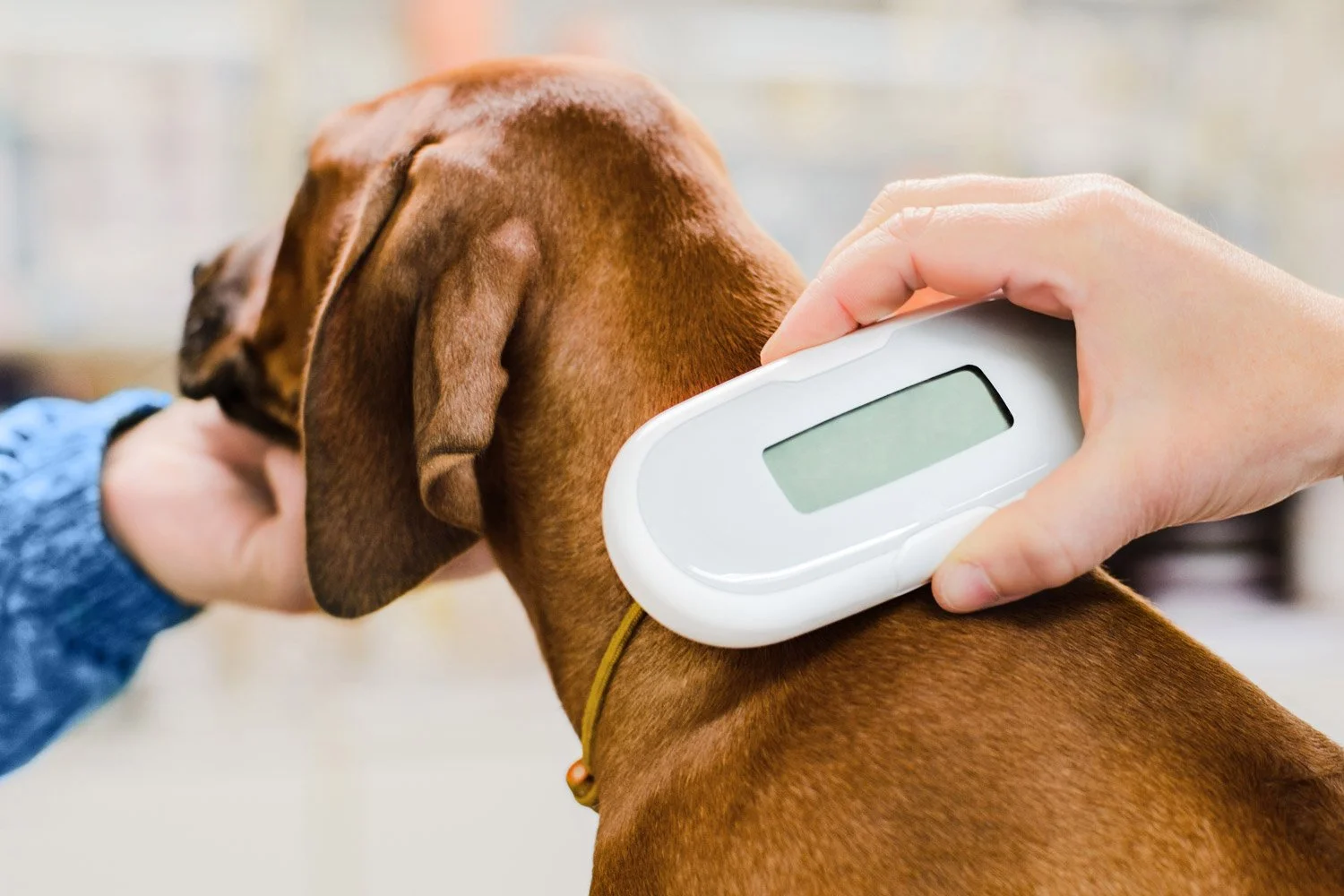
Microchipping involves inserting a tiny identification chip under the skin using a specialised applicator. The procedure is very quick and generally causes only brief discomfort, similar to an injection. Most pets tolerate the procedure well, and your FAB Vets team can help keep the experience as calm and comfortable as possible.
4. How is a microchip fitted?
A microchip, roughly the size of a grain of rice, is inserted beneath the skin using a sterile applicator. The chip contains a unique identification number that can be read using a microchip scanner. FAB Vets can fit the microchip and check that it is readable, with the registration details then linked to your contact information through the relevant microchip database.
5. What happens if my pet gets lost?
If your lost pet is found and taken to a veterinary practice, rescue centre or other organisation with a suitable scanner, their microchip can be scanned to obtain their unique identification number. The database can then be used to locate your registered contact details and help reunite you with your pet. This is why keeping your contact information up to date is so important.

6. How do I update my details?
Your contact details are normally updated through the microchip database where your pet's chip is registered. If you move house, change your telephone number or your circumstances change, update the information as soon as possible. FAB Vets can advise you on checking your pet's microchip information and help you understand what needs to be updated.
7. Should indoor cats be chipped?
Yes. Even indoor cats can accidentally escape, become lost or be taken to a veterinary practice or rescue centre. A microchip provides a permanent form of identification if this happens. With cat microchipping now compulsory in England, FAB Vets can ensure your indoor cat is chipped and help you keep their registration details current.
8. Can rabbits be microchipped?
Yes, rabbits can be microchipped. Although they may spend most or all of their time indoors or in a secure enclosure, rabbits can still escape or become separated from their owners. FAB Vets can discuss whether microchipping is appropriate for your rabbit and carry out the procedure safely.
9. Does a collar replace a chip?
No. A collar and identification tag can make it easier for someone to identify and contact you if they find your pet, but collars can become lost or removed. A microchip provides a permanent form of identification. For the best protection, FAB Vets recommends considering microchipping alongside appropriate visible identification rather than relying on a collar alone.
10. What happens when a stray pet is found?
A stray pet should ideally be taken to an appropriate organisation, such as a veterinary practice or animal rescue service, where they can be scanned for a microchip. If a chip is found and the registration details are current, the owner can potentially be contacted quickly. FAB Vets can scan pets for microchips and help establish whether identification information is available.
Section 7 – Puppies
1. When should my puppy first see a vet?
It is a good idea to arrange your puppy's first veterinary appointment soon after bringing them home. This gives the FAB Vets team an opportunity to assess their general health, review their history and discuss vaccinations, parasite prevention, nutrition and other aspects of their early development. Starting veterinary care early also helps your puppy become familiar with visiting the practice.
2. What vaccinations are needed?
Puppies need a primary course of vaccinations to protect them against serious infectious diseases. Core protection commonly includes diseases such as canine parvovirus, distemper, infectious canine hepatitis and leptospirosis, although the most appropriate vaccinations depend on your puppy's individual circumstances. FAB Vets can recommend a vaccination schedule based on your puppy's age, lifestyle and likely exposure to disease.
3. When should my puppy be wormed?
Puppies are particularly susceptible to intestinal worms and usually require more frequent worming when they are young. The appropriate schedule depends on your puppy's age, weight, lifestyle and risk of exposure. FAB Vets can recommend an age-appropriate worming programme and advise you on protecting your puppy against other important parasites, including fleas and lungworm.
4. What should I feed my puppy?
Puppies need a complete, balanced diet formulated specifically for growth. The right food and portion size depend on factors such as your puppy's breed, expected adult size, age and activity level. FAB Vets can provide personalised nutritional advice, helping you choose an appropriate diet and avoid overfeeding during this important stage of development.
5. How much exercise is appropriate?
Puppies need exercise, but their developing bones and joints can be vulnerable to excessive or high-impact activity. Exercise should be introduced gradually and balanced with plenty of rest, with the appropriate amount depending on your puppy's age, breed and development. Your FAB Vets vet can provide tailored advice on exercise, socialisation and keeping your puppy active safely.

6. When should I start training?
Training can begin as soon as your puppy comes home. Early positive training and appropriate socialisation can help your puppy develop into a confident, well-adjusted adult dog. FAB Vets can discuss your puppy's development and provide guidance on areas such as socialisation, handling and preparing them for future veterinary visits.
7. Should I insure my puppy?
Pet insurance can help protect you against the potentially significant costs of unexpected illness or injury. Policies vary considerably in terms of what they cover, exclusions, excesses and ongoing conditions, so it is important to compare them carefully. FAB Vets can discuss general considerations around your puppy's healthcare needs, although insurance decisions should be based on the policy that best suits you and your pet.
8. When should my puppy be neutered?
There is no single age that is appropriate for every puppy. The decision can depend on your dog's breed, size, sex, health, lifestyle and individual circumstances. At FAB Vets, your vet can discuss the potential benefits and considerations of neutering and recommend an appropriate time based on your puppy's individual needs rather than applying the same approach to every dog.
9. What health problems are common in puppies?
Puppies can experience problems including intestinal parasites, gastrointestinal upsets, infectious diseases, skin conditions and injuries. Some breeds can also have inherited conditions that require monitoring as they grow. Regular appointments with FAB Vets provide an opportunity to monitor your puppy's development and identify potential concerns early.
10. What should I expect during the first year?
Your puppy's first year involves rapid physical and behavioural development. You can expect appointments covering vaccinations, parasite prevention, growth, nutrition, dental development, socialisation and general health. FAB Vets can support you throughout this stage, helping you understand your puppy's changing healthcare needs and establish healthy habits that can benefit them throughout their life.
Section 8 – Dogs
1. How often should my dog see a vet?
Most healthy adult dogs should have a veterinary health check at least once a year. Puppies, senior dogs and dogs with ongoing health conditions may need more frequent appointments. Regular checks at FAB Vets allow the team to monitor your dog's health, keep preventative care up to date and identify potential problems before they become more serious.
2. Why is my dog limping?
Limping can have many causes, from a minor injury or muscle strain to joint disease, ligament problems, arthritis or a more significant injury. If your dog's limp is sudden, severe, persistent or accompanied by obvious pain, contact FAB Vets for advice. A veterinary examination can help identify the underlying cause and determine whether further investigation or treatment is needed.
3. Why has my dog stopped eating?
A reduced appetite can sometimes be caused by something relatively minor, but it can also be a sign of pain, dental problems, gastrointestinal illness, infection or another underlying condition. If your dog refuses food, particularly alongside vomiting, diarrhoea, lethargy, pain or other changes, seek veterinary advice. FAB Vets can assess your dog and investigate the reason for the change in appetite.
4. Why is my dog scratching?
Frequent scratching can be caused by fleas, mites, allergies, skin infections or environmental irritants. Persistent itching can lead to sore, damaged skin and further infection. FAB Vets can examine your dog's skin and coat, assess potential causes and recommend an appropriate treatment and preventative care plan.
5. What causes ear infections?
Ear infections in dogs can be associated with allergies, parasites, bacteria, yeast, trapped moisture, foreign bodies or the structure of the ear canal. Dogs with certain ear shapes or underlying skin conditions can be particularly prone to recurring problems. If your dog is shaking their head, scratching their ears, showing discomfort or developing an unpleasant odour, FAB Vets can examine their ears and recommend appropriate treatment.


6. How do I know if my dog is in pain?
Dogs do not always show pain clearly. Signs can include limping, reluctance to move, changes in behaviour, excessive panting, restlessness, reduced appetite, hiding, vocalisation or becoming unusually withdrawn or irritable. If you think your dog may be in pain, contact FAB Vets for advice rather than giving human painkillers, as some medications can be dangerous to dogs.
7. How can I help an overweight dog?
The first step is to establish a healthy target weight with your vet. Weight management usually involves reviewing food portions and treats, choosing an appropriate diet and introducing suitable exercise gradually. FAB Vets can monitor your dog's weight and body condition and provide practical, individual advice to help them reach and maintain a healthier weight.
8. How should I care for a senior dog?
Senior dogs benefit from regular health monitoring because age-related changes can develop gradually and may initially be difficult to notice at home. Maintaining a healthy weight, appropriate exercise, dental care and preventative healthcare can all support their wellbeing. FAB Vets can provide tailored advice for your older dog and recommend additional health checks or investigations when appropriate.
9. What is considered an emergency?
A veterinary emergency can include serious breathing difficulties, collapse, seizures, severe bleeding, suspected poisoning, significant trauma, severe pain, difficulty giving birth or sudden and severe deterioration. If you believe your dog has a life-threatening problem, contact FAB Vets promptly for guidance on the appropriate course of action. It is safer to seek veterinary advice when you are unsure whether a situation is an emergency.
10. What dog services does FAB Vets provide?
FAB Vets provides veterinary care designed to support dogs throughout their lives, from puppyhood through to their senior years. This can include routine health checks, vaccinations, parasite prevention, microchipping, nutritional and weight advice, diagnostic investigations, treatment of illness and injury, and ongoing preventative healthcare. The team can discuss your dog's individual needs and recommend appropriate care at every stage of their life.
Section 9 – Kittens
1. When should my kitten first visit the vet?
It is recommended to arrange your kitten's first veterinary appointment soon after bringing them home. This allows the FAB Vets team to check their general health, review their history and discuss vaccinations, parasite prevention, nutrition, microchipping and neutering. An early visit also helps your kitten become familiar with the practice and veterinary team.
2. Which vaccinations are needed?
Kittens require a primary vaccination course to protect them against important infectious diseases. Routine cat vaccinations commonly protect against feline panleukopenia, feline herpesvirus and feline calicivirus. Depending on your kitten's lifestyle and risk of exposure, your FAB Vets vet may recommend additional protection.
3. When should kittens be neutered?
Kittens can generally be neutered from around four months of age, although the timing should be discussed with your vet based on your kitten's health, development and individual circumstances. Neutering can help prevent unwanted litters and offers other potential health and behavioural benefits. FAB Vets can advise you on the most appropriate time to neuter your kitten.
4. How often should kittens be wormed?
Kittens require regular worming because they can be particularly susceptible to intestinal parasites during their early development. The appropriate schedule depends on their age, weight, lifestyle and individual risk. FAB Vets can recommend a suitable worming programme and advise you on protection against other parasites as your kitten grows.
5. What should I feed my kitten?
Kittens need a complete and balanced diet specifically formulated for growth and development. Their nutritional requirements are different from those of adult cats, and feeding amounts should be adjusted as they grow. The FAB Vets team can provide personalised nutritional advice and help you establish a suitable feeding routine for your kitten.


6. When should kittens be microchipped?
Kittens can be microchipped from a young age, and microchipping is particularly important because cats can easily become lost or separated from their owners. In England, cats must be microchipped by the time they are 20 weeks old, subject to applicable exemptions. FAB Vets can microchip your kitten and advise you on keeping their registration details up to date.
7. Which illnesses affect kittens?
Kittens can be vulnerable to infectious diseases such as feline panleukopenia, feline herpesvirus and feline calicivirus. They can also experience problems including intestinal worms, fleas, gastrointestinal upsets and respiratory infections. Regular appointments with FAB Vets allow the team to monitor your kitten's development and identify potential health concerns early.
8. How do I socialise a kitten?
Early positive experiences can help kittens develop into confident adult cats. Gradually introduce your kitten to different people, household experiences and appropriate handling while allowing them to explore at their own pace. FAB Vets can provide guidance on handling, socialisation and creating positive experiences around veterinary visits, helping your kitten become comfortable with routine healthcare.
9. Should indoor kittens still be vaccinated?
Yes. Indoor cats can still be exposed to infectious diseases, even if they rarely or never go outside. Disease can potentially be introduced into the home through other animals, people or contaminated environments. FAB Vets can assess your kitten's lifestyle and recommend an appropriate vaccination programme based on their individual level of risk.
10. What should I expect during the first year?
Your kitten's first year involves rapid growth and development, with several important preventative healthcare milestones. This can include vaccinations, parasite prevention, microchipping, nutrition advice, health checks and neutering. FAB Vets can support you throughout your kitten's first year, helping you establish good healthcare routines and giving your kitten the best possible start.
Section 10 – Cats
1. How often should my cat have a check-up?
Healthy adult cats should generally have a veterinary health check at least once a year. Older cats or those with existing health conditions may benefit from more frequent monitoring. At FAB Vets, routine check-ups allow the team to monitor your cat's weight, dental health, general wellbeing and any changes that could indicate an underlying problem.
2. Why has my cat stopped eating?
A loss of appetite in cats should not be ignored, particularly if they stop eating completely. It can be associated with dental problems, pain, stress, gastrointestinal issues, infection or other underlying illnesses. If your cat's appetite changes significantly, contact FAB Vets so the team can assess them and determine whether further investigation is needed.
3. Why is my cat losing weight?
Unexplained weight loss can have several causes, including dental disease, digestive problems, hyperthyroidism, diabetes, kidney disease or other underlying conditions. Because cats can hide signs of illness, gradual weight loss may be one of the first noticeable changes. FAB Vets can assess your cat, monitor their weight and recommend appropriate diagnostic tests where necessary.
4. What are the signs of kidney disease?
Signs can include increased drinking and urination, weight loss, reduced appetite, vomiting, lethargy and changes in general behaviour. Kidney disease is more common in older cats, but it can affect cats of different ages. FAB Vets can investigate concerning changes using a combination of physical examination, blood tests, urine tests and other diagnostics where appropriate.
5. What causes urinary problems?
Urinary problems in cats can have several causes, including cystitis, urinary stones, infections and other conditions affecting the urinary tract. Stress can also contribute to some urinary problems. Signs such as straining to urinate, frequent trips to the litter tray, blood in the urine or urinating outside the litter tray should be taken seriously. FAB Vets can investigate urinary changes and advise on appropriate treatment.


6. Why is my cat drinking more water?
Increased thirst can sometimes be caused by environmental or dietary factors, but it can also indicate an underlying health problem such as kidney disease, diabetes or hyperthyroidism. If you notice a persistent change in how much your cat drinks or urinates, arrange an appointment with FAB Vets. Early investigation can help identify potential problems and allow appropriate treatment to begin.
7. Why is my cat overgrooming?
Overgrooming can be caused by fleas, allergies, skin irritation, pain or stress. Cats may repeatedly lick or groom an area because it is uncomfortable, potentially resulting in hair loss or sore skin. FAB Vets can examine your cat and assess whether the cause is dermatological, physical or behavioural before recommending an appropriate management plan.
8. How do vets diagnose cat illnesses?
Diagnosis usually begins with a detailed discussion about your cat's symptoms, behaviour, lifestyle and medical history, followed by a physical examination. Depending on the findings, your vet may recommend blood or urine tests, blood pressure measurement, imaging or other diagnostic investigations. At FAB Vets, the team uses the information gathered from your cat's examination and appropriate diagnostic tests to work towards an accurate diagnosis.
9. How can I reduce stress when visiting the vet?
Use a secure, suitable carrier and introduce it as a familiar part of your cat's environment rather than bringing it out only on veterinary days. Keeping your cat calm during travel and handling them gently can also help. Let FAB Vets know if your cat becomes particularly anxious, so the team can take their temperament into consideration and make the appointment as comfortable as possible.
10. What cat services does FAB Vets offer?
FAB Vets provides veterinary care for cats throughout their lives, from kittenhood through to their senior years. Services can include routine health checks, vaccinations, parasite prevention, microchipping, neutering, nutritional advice, weight management, diagnostic investigations and treatment for illness or injury. The team can tailor your cat's care around their age, lifestyle and individual health requirements.
Section 11 – Rabbits & Small Pets
1. Do rabbits need vaccinations?
Yes. Vaccination is an important part of preventative healthcare for rabbits. Vaccines can help protect against serious diseases including myxomatosis and rabbit haemorrhagic disease (RHD). Even indoor rabbits can be exposed to infectious diseases, so FAB Vets can recommend an appropriate vaccination programme based on your rabbit's individual circumstances.
2. What should rabbits eat?
A healthy rabbit's diet should be primarily made up of good-quality hay or grass, which is essential for both digestive and dental health. Fresh leafy greens and an appropriate amount of rabbit pellets can complement their diet, alongside constant access to fresh drinking water. FAB Vets can provide individual nutritional advice and help you make sure your rabbit is receiving the right balance of fibre and nutrients.
3. Why has my rabbit stopped eating?
A rabbit that stops eating should be taken seriously. Loss of appetite can be associated with dental disease, gastrointestinal problems, pain, stress or other potentially serious conditions. Rabbits can deteriorate quickly when they stop eating, so contact FAB Vets promptly if your rabbit is refusing food or producing fewer droppings than normal.
4. What is flystrike?
Flystrike occurs when flies lay eggs on a rabbit and the resulting maggots feed on their tissue. It can develop rapidly and can be life-threatening. Keeping your rabbit clean, checking their rear regularly, maintaining good hygiene and managing their weight can help reduce the risk. FAB Vets can provide further advice on flystrike prevention and what to do if you suspect your rabbit has been affected.
5. How often should rabbits have health checks?
Rabbits should have regular veterinary health checks, with at least an annual examination generally recommended. More frequent checks may be appropriate for older rabbits or those with existing health concerns. At FAB Vets, routine examinations can include assessing your rabbit's teeth, weight, body condition, eyes, ears, skin and general health, while also providing an opportunity to discuss diet and preventative care.


6. What illnesses affect guinea pigs?
Guinea pigs can experience a range of health problems, including dental disease, respiratory infections, skin conditions, parasites and digestive problems. They can also develop issues associated with their diet, including vitamin C deficiency. Because guinea pigs can hide signs of illness, changes in eating, weight, behaviour or droppings should be taken seriously. FAB Vets can assess your guinea pig and provide appropriate advice and treatment.
7. How do I care for a hamster?
Hamsters need a suitable enclosure, appropriate bedding, a safe exercise area, fresh water and a balanced diet. They also need opportunities to behave naturally, including burrowing, exploring and foraging. Their environment should be kept clean without causing unnecessary stress. FAB Vets can provide species-appropriate advice if you are concerned about your hamster's health, diet, behaviour or living conditions.
8. Do small pets need dental care?
Yes. Dental health is particularly important for rabbits and guinea pigs because their teeth continue to grow throughout their lives. A suitable high-fibre diet helps provide natural tooth wear, but dental problems can still occur. FAB Vets can check your small pet's teeth during health examinations and investigate signs such as difficulty eating, drooling, weight loss or changes in food preferences.
9. How can I tell if a small pet is ill?
Small pets can be very good at hiding signs of illness, so even subtle changes can be significant. Look out for reduced appetite, weight loss, changes in droppings, lethargy, difficulty breathing, unusual behaviour, changes in grooming or difficulty moving. If something seems different, contact FAB Vets rather than waiting for symptoms to become more obvious.
10. What services does FAB Vets provide for small pets?
FAB Vets provides veterinary care for rabbits and other small pets, with care tailored to the species and individual needs of each animal. Depending on your pet, this can include health checks, preventative healthcare, vaccinations where appropriate, nutritional and dental advice, parasite management, diagnosis and treatment of illness. The team can also advise owners on maintaining good welfare and recognising early signs of health problems.
Section 12 – Senior Pets
1. When is my pet considered a senior?
The age at which a pet is considered senior varies depending on their species, breed, size and individual health. Dogs and cats are often considered senior from around seven years old, although larger dogs may reach this stage sooner. Rabbits and other small pets also have different ageing patterns. FAB Vets can help you understand what to expect as your pet gets older and adjust their preventative healthcare accordingly.
2. How often should older pets be examined?
Older pets can benefit from veterinary examinations more frequently than healthy younger animals. Six-monthly health checks may be appropriate for some senior pets, particularly where age-related conditions are a concern. At FAB Vets, your vet can recommend an examination schedule based on your pet's age, species, health and individual risk factors.
3. What are the signs of arthritis?
Signs of arthritis can include stiffness, limping, reluctance to climb stairs or jump, difficulty getting up, reduced activity and changes in behaviour. Cats may show subtler signs, such as becoming less active or avoiding high surfaces. If you notice changes in your pet's mobility, FAB Vets can assess them and determine whether arthritis or another condition could be responsible.
4. How is chronic pain managed?
Managing chronic pain usually involves identifying the underlying cause and creating an individual treatment plan. Depending on the condition, this may include appropriate medication, weight management, controlled exercise, environmental adjustments and other supportive measures. FAB Vets can monitor your pet's response to treatment and adjust their care as their needs change.
5. Can pets develop dementia?
Yes. Older dogs and cats can develop cognitive dysfunction, sometimes described as dementia. Signs can include confusion, changes in sleeping patterns, altered interaction with owners, house-soiling and appearing disorientated. These signs can also be caused by other medical conditions, so FAB Vets can assess your pet and investigate other possible causes before recommending appropriate support.


6. What screening tests are recommended?
The appropriate screening tests depend on your pet's age, species, breed and health history. For some senior pets, blood and urine tests can help assess organ function and identify changes that may not yet be producing obvious symptoms. FAB Vets can discuss whether routine screening is appropriate and recommend investigations based on your pet's individual circumstances.
7. How can I improve mobility?
Maintaining a healthy weight is one of the most important ways to support mobility. Appropriate, controlled exercise can also help maintain muscle strength, while making changes around the home, such as providing easier access to food, water and resting areas, may help older pets. FAB Vets can assess your pet's mobility and recommend suitable measures to help them remain comfortable and active.
8. Should older pets eat a different diet?
Some senior pets benefit from dietary changes, but there is no single diet that is suitable for every older animal. Nutritional requirements can change with age and may also be affected by conditions such as kidney disease, obesity or dental problems. FAB Vets can assess your pet's body condition and health requirements before recommending appropriate nutritional changes.
9. How can I improve quality of life?
Supporting an older pet's quality of life involves managing pain and health conditions while helping them remain comfortable, active and engaged. Regular veterinary checks, appropriate nutrition, dental care, exercise and a comfortable home environment can all contribute. At FAB Vets, the focus is on understanding your senior pet's individual needs and helping you make informed decisions about their ongoing care.
10. How does FAB Vets support senior pets?
FAB Vets provides ongoing veterinary care for pets as they enter their senior years, with an emphasis on early detection, preventative healthcare and maintaining quality of life. The team can provide regular health examinations, monitor weight and mobility, investigate age-related changes, offer nutritional advice and manage ongoing conditions. By getting to know your pet over time, FAB Vets can adapt their care as their needs change.
Section 13 – Diagnostics & Laboratory Testing
1. Why does my pet need blood tests?
Blood tests can provide valuable information about your pet's internal health that cannot always be identified during a physical examination. They can help assess organs such as the liver and kidneys, check blood cell levels and investigate symptoms such as weight loss, reduced appetite or lethargy. At FAB Vets, your vet will only recommend blood tests when they could provide useful information for your pet's care.
2. What do urine tests show?
Urine tests can provide information about your pet's urinary system and wider health. They may help identify conditions such as urinary infections, kidney problems or diabetes and can provide useful information about how well the kidneys are functioning. FAB Vets can recommend urine testing when appropriate and explain what the results mean for your pet.
3. Why are faecal samples analysed?
Faecal analysis can help identify intestinal parasites and other abnormalities affecting your pet's digestive system. Testing can be particularly useful when a pet has diarrhoea, changes in their bowel movements or suspected parasite exposure. At FAB Vets, your vet can advise whether a faecal examination is appropriate based on your pet's symptoms and lifestyle.
4. What is cytology?
Cytology involves examining individual cells under a microscope to help investigate a lump, skin problem, swelling or other abnormal area. A small sample of cells can often be collected using a fine needle or another suitable technique. FAB Vets can use cytology as part of the diagnostic process when your vet needs more information about an abnormal area.
5. Why are biopsies taken?
A biopsy involves removing a small sample of tissue so it can be examined in greater detail, usually by a specialist laboratory. It can help determine the nature of abnormal tissue and distinguish between different conditions. If FAB Vets recommends a biopsy, your vet will explain why it is appropriate, how the sample will be collected and what the results could mean for your pet.


6. How quickly are results available?
The time required for results varies depending on the type of test and whether it is processed within the practice or sent to an external laboratory. Some routine tests can produce results relatively quickly, while more specialised tests may take longer. FAB Vets will explain when you can expect results and contact you to discuss significant findings and any recommended next steps.
7. Are tests painful?
Many routine diagnostic tests involve little more than brief discomfort. For example, taking a blood sample or collecting a urine or faecal sample is generally straightforward. Some procedures, such as biopsies, may require sedation or anaesthesia to keep your pet comfortable and ensure an appropriate sample can be collected. FAB Vets will consider your pet's welfare throughout the diagnostic process.
8. What happens if results are abnormal?
Abnormal results do not necessarily mean that your pet has a serious illness. Your vet will interpret the findings alongside your pet's symptoms, examination and medical history. FAB Vets will explain the results clearly and discuss whether further testing, treatment, monitoring or other investigations are recommended.
9. How accurate are veterinary laboratory tests?
Veterinary diagnostic tests are valuable tools, but no test is perfect. Results need to be interpreted in context because factors such as your pet's age, health, medication and the type of sample collected can influence findings. At FAB Vets, diagnostic results are considered alongside your pet's clinical signs and examination to build as accurate an understanding of their health as possible.
10. Why are diagnostics important?
Diagnostic testing can help vets understand what is causing a pet's symptoms, identify disease at an earlier stage and make more informed treatment decisions. Rather than relying solely on visible symptoms, tests can provide additional information about what is happening inside your pet's body. FAB Vets uses appropriate diagnostic investigations alongside clinical examinations to help provide thorough, evidence-based care tailored to each individual pet.
Section 14 – Medical Conditions
1. How are chronic illnesses managed?
Chronic conditions require ongoing management rather than a one-off treatment. Depending on the condition, this may involve medication, dietary changes, weight management, lifestyle adjustments and regular monitoring. FAB Vets can develop an individual care plan for your pet and monitor how they respond over time, adjusting their treatment when needed.
2. What causes skin allergies?
Skin allergies can have several causes, including environmental allergens, food sensitivities, flea bites and other irritants. Pets may develop itching, redness, hair loss, recurrent ear problems or sore skin. FAB Vets can investigate the underlying cause rather than simply treating the symptoms, helping develop an appropriate management plan for your pet.
3. What is diabetes?
Diabetes is a condition where the body cannot properly regulate blood glucose levels. In dogs and cats, signs can include increased thirst, increased urination, increased appetite and unexplained weight loss. If diabetes is suspected, FAB Vets can carry out appropriate diagnostic tests and, if confirmed, provide ongoing management and monitoring.
4. How is heart disease diagnosed?
Heart disease may be suspected following changes such as coughing, breathing difficulties, reduced exercise tolerance, weakness or a heart murmur identified during a routine examination. Depending on the findings, your vet may recommend blood tests, blood pressure monitoring, chest imaging or an ultrasound of the heart. FAB Vets can assess your pet and recommend appropriate investigations where heart disease is a concern.
5. What are the signs of liver disease?
Signs of liver disease can include reduced appetite, weight loss, vomiting, diarrhoea, increased drinking and urination, jaundice or changes in behaviour. Some pets may show few obvious symptoms during the early stages. If you notice unexplained changes in your pet, FAB Vets can perform an examination and recommend appropriate blood tests or other diagnostics to investigate the cause.

6. What are the signs of kidney disease?
Common signs include increased thirst and urination, weight loss, reduced appetite, vomiting, lethargy and changes in general behaviour. Kidney disease is particularly common in older cats, although it can affect pets of different ages. FAB Vets can investigate suspected kidney problems using clinical examinations alongside appropriate blood and urine testing.
7. How is arthritis treated?
Arthritis cannot usually be cured, but its symptoms can often be managed to improve comfort and mobility. Treatment may include appropriate medication, weight management, controlled exercise, nutritional support and changes to the home environment. FAB Vets can assess your pet's mobility and create a management plan based on their individual needs.
8. Can epilepsy be controlled?
Epilepsy can often be managed with appropriate veterinary treatment, although the underlying cause and severity of seizures can vary considerably between pets. Some animals require long-term medication and regular monitoring. If your pet experiences seizures, FAB Vets can investigate possible causes and discuss appropriate treatment and ongoing management.
9. How are digestive disorders investigated?
Digestive problems can have many possible causes, so your vet will usually begin by discussing your pet's symptoms, diet, lifestyle and medical history before carrying out a physical examination. Depending on the findings, investigations may include blood tests, faecal analysis, urine testing, diagnostic imaging or other procedures. FAB Vets can work through the potential causes systematically to help reach an appropriate diagnosis and treatment plan.
10. How often are long-term conditions monitored?
The frequency of monitoring depends on your pet's condition, treatment and overall health. Some pets may need checks every few weeks initially, while stable conditions may require less frequent reviews. FAB Vets will recommend an appropriate monitoring schedule and adjust it if your pet's symptoms or treatment requirements change, helping to keep their condition under control and maintain their quality of life.
Section 15 – Surgery & Anaesthesia
1. When does my pet need surgery?
Surgery may be recommended when a condition cannot be adequately managed with medication or other non-surgical treatments. It can be used to treat injuries, remove abnormal tissue, address certain internal conditions or improve your pet's quality of life. At FAB Vets, your vet will explain why surgery is being considered, discuss the available options and make recommendations based on your pet's individual needs.
2. What is soft tissue surgery?
Soft tissue surgery involves procedures involving areas such as the skin, muscles, internal organs and other non-bony tissues. Examples can include neutering, lump removal and certain procedures involving the gastrointestinal or urinary systems. FAB Vets can discuss the specific procedure your pet requires and explain what you can expect before, during and after surgery.
3. What is orthopaedic surgery?
Orthopaedic surgery focuses on conditions affecting the bones, joints, ligaments and other parts of the musculoskeletal system. It may be required following an injury or to manage certain orthopaedic conditions that affect mobility. If your pet requires specialist orthopaedic intervention, FAB Vets can assess their condition and discuss the most appropriate treatment options, including referral where specialist care is required.
4. Is anaesthesia safe?
Modern veterinary anaesthesia is generally considered safe, but every anaesthetic carries some degree of risk. Your pet's age, health, breed and the type of procedure can all influence that risk. At FAB Vets, your pet is assessed before anaesthesia and the team takes appropriate precautions to make the procedure as safe as possible.
5. How are pets monitored during surgery?
Pets undergoing anaesthesia require continuous monitoring to assess their vital signs and response to the anaesthetic. Depending on the procedure and individual patient, this can include monitoring heart rate, breathing, blood pressure, oxygen levels and body temperature. FAB Vets prioritises patient monitoring throughout the procedure and recovery period to support your pet's safety.


6. How long is recovery?
Recovery time varies considerably depending on the procedure, your pet's age and general health. Some routine procedures may involve a relatively short recovery period, while more complex surgery can require several weeks of restricted activity and monitoring. FAB Vets will provide you with specific aftercare instructions and explain when your pet can gradually return to normal activities.
7. What pain relief is provided?
Pain management is an important part of veterinary surgery. Your pet's pain relief will depend on the procedure, their individual needs and their recovery. FAB Vets can provide appropriate pain relief before, during and after surgery and will explain how to administer any medication at home.
8. How do I care for my pet afterwards?
Follow the discharge instructions provided by your FAB Vets team carefully. Your pet may need rest and restricted exercise, medication, dietary adjustments or protection for the surgical site. Keep any wound clean and prevent your pet from licking or damaging it. If you are unsure about anything during recovery, contact the practice for advice.
9. What complications should I watch for?
After surgery, contact your vet if you notice significant swelling, bleeding, discharge, worsening pain, difficulty breathing, persistent vomiting, marked lethargy, loss of appetite or your pet interfering with their wound. Some mild changes can be expected following anaesthesia, but your FAB Vets team will explain what is normal for your pet's particular procedure and what should prompt you to contact the practice.
10. What surgical services are available?
FAB Vets provides a range of veterinary surgical care, with procedures selected according to each pet's condition and individual requirements. This can include routine procedures such as neutering alongside appropriate soft tissue surgery and other operations where clinically indicated. If your pet requires a specialist procedure that is not performed at FAB Vets, the team can discuss referral to an appropriate specialist service and ensure you understand the next steps.
Section 16 – Emergency & Out-of-Hours Care
1. What is a veterinary emergency?
A veterinary emergency is any situation where your pet's health or life may be at immediate risk and they require urgent veterinary attention. Examples include severe breathing difficulties, collapse, significant bleeding, serious injury, suspected poisoning, seizures or sudden severe illness. If you are concerned that your pet may be experiencing an emergency, contact FAB Vets promptly for advice rather than waiting for symptoms to worsen.
2. My dog has eaten chocolate — what should I do?
Chocolate can be toxic to dogs, with the risk depending on the type and amount eaten and your dog's size. Contact FAB Vets or an emergency veterinary service immediately and do not wait for symptoms to appear. Keep the packaging if possible, as information about the type and quantity of chocolate can help the vet assess the risk. Do not attempt to make your dog vomit unless specifically instructed to do so by a veterinary professional.
3. My pet has been poisoned — what should I do?
Treat suspected poisoning as an emergency and contact FAB Vets immediately or your local out-of-hours emergency veterinary service. If it is safe to do so, keep the packaging or substance involved and provide details of what your pet may have eaten, when it happened and approximately how much was consumed. Do not give your pet anything or attempt to induce vomiting unless instructed by a veterinary professional.
4. My pet has been hit by a car — what should I do?
A pet that has been hit by a vehicle needs urgent veterinary assessment, even if they initially appear to be fine. Internal injuries may not be immediately obvious. Keep your pet as still and calm as possible, avoid unnecessary handling and contact FAB Vets or an emergency veterinary service immediately for advice. If possible, transport them securely while minimising movement.
5. My pet is having a seizure — what should I do?
Keep your pet away from stairs, furniture and other objects that could cause injury, but do not attempt to restrain them or put anything in their mouth. Time the seizure if you can and contact FAB Vets or an emergency veterinary service for advice, particularly if the seizure is prolonged, repeated or your pet does not recover normally afterwards. If your pet has a known seizure condition, follow the emergency plan provided by your vet.


6. What are the signs of heatstroke?
Signs of heatstroke can include excessive panting, drooling, weakness, confusion, vomiting, diarrhoea, collapse or seizures. Heatstroke can become life-threatening very quickly, particularly in hot weather. Move your pet to a cool environment, begin appropriate cooling and contact FAB Vets or an emergency veterinary service immediately for advice. Do not leave a heat-affected pet to recover without veterinary guidance.
7. My pet is struggling to breathe — what should I do?
Difficulty breathing is an emergency and requires immediate veterinary attention. Keep your pet calm and minimise handling while contacting FAB Vets or your local emergency veterinary service. Do not force your pet to eat or drink, and do not delay seeking help to see whether their breathing improves.
8. How do out-of-hours services work?
Veterinary practices typically provide arrangements for urgent care outside their normal opening hours, either through their own team or an external emergency veterinary provider. FAB Vets can advise clients on the appropriate out-of-hours arrangements, including where to seek urgent care when the practice is closed. Keep the practice's emergency contact information somewhere easily accessible so you are prepared if your pet becomes unwell outside normal hours.
9. When should I call an emergency vet?
You should seek emergency veterinary advice for situations such as severe breathing difficulties, collapse, uncontrolled bleeding, serious trauma, suspected poisoning, prolonged or repeated seizures, severe pain, difficulty giving birth or sudden significant deterioration. If you are unsure whether your pet's symptoms constitute an emergency, it is better to contact FAB Vets for advice rather than risk delaying treatment.
10. How can I prepare for an emergency?
Keep FAB Vets' contact details and out-of-hours information readily available, and make sure you know where your nearest emergency veterinary service is located. Keep your pet's medical information and medication details accessible, and consider having a suitable carrier or means of safely transporting your pet ready. Knowing what to do before an emergency occurs can help you act quickly and calmly when your pet needs urgent care.
Section 17 – Pet Insurance & Veterinary Costs
1. Is pet insurance worth having?
Pet insurance can provide valuable financial protection if your pet develops an unexpected illness or suffers an injury. Veterinary treatment costs can vary considerably depending on the condition and treatment required. While insurance is not suitable for every owner, having appropriate cover can provide greater peace of mind when making decisions about your pet's care.
2. What does pet insurance usually cover?
Cover varies between insurers and policies, but pet insurance can typically contribute towards eligible veterinary costs associated with unexpected illness or accidental injury. Some policies may also provide additional benefits, depending on the level of cover selected. FAB Vets recommends checking the individual terms, limits, exclusions and excesses of your policy so you understand exactly what is covered.
3. What isn't covered?
Exclusions depend on your insurer and the type of policy you choose. Common exclusions can include pre-existing conditions, routine preventative care, vaccinations, dental treatment in certain circumstances and conditions subject to specific policy restrictions. Always read your policy carefully and contact your insurer if you are unsure whether a particular treatment is covered.
4. Can FAB Vets submit direct insurance claims?
Whether FAB Vets can submit a claim directly to your insurer depends on the practice's current arrangements and the individual insurance provider. Contact the FAB Vets team before treatment if you want to discuss direct claims, as you may need to complete a claim form or provide authorisation from your insurer. Even where a claim is submitted directly, you remain responsible for any applicable excess or costs not covered by your policy.
5. What happens if treatment exceeds my policy?
If the cost of treatment exceeds your policy's annual or condition-specific limit, you may be responsible for the remaining amount. Your insurer's terms will determine exactly how this works. FAB Vets can provide information about the expected cost of treatment where appropriate, allowing you to discuss the available options and make an informed decision about your pet's care.


6. Can I get a treatment estimate?
Yes. If your pet requires treatment, FAB Vets can discuss the expected costs with you and, where appropriate, provide an estimate before proceeding. The final cost can sometimes change if your pet's condition or treatment requirements differ from those initially anticipated, but the team can explain any significant changes and discuss them with you.
7. What payment options are available?
Payment arrangements and accepted payment methods can vary, so it is best to check directly with FAB Vets before treatment. If your pet requires significant treatment, discuss the expected costs with the team as early as possible. This allows you to understand your financial responsibilities and consider any relevant insurance cover.
8. Why can advanced treatment be expensive?
Modern veterinary medicine uses sophisticated equipment, diagnostic testing, specialist knowledge, medications and surgical techniques to provide pets with high-quality care. Complex cases can require extensive investigations, anaesthesia, surgery, hospitalisation or ongoing monitoring, all of which can increase costs. At FAB Vets, treatment recommendations are based on your pet's clinical needs, with options and expected costs explained wherever appropriate.
9. Should I insure a puppy or kitten?
Taking out insurance when your pet is young can provide financial protection against unexpected illnesses and injuries later in life. Insuring early may also help avoid exclusions for conditions that develop or are diagnosed before a policy begins. If you decide to insure your puppy or kitten, compare policies carefully and check their exclusions, excesses, limits and cover for ongoing conditions.
10. How can I keep veterinary costs manageable?
Preventative healthcare can help you manage your pet's long-term healthcare needs by identifying potential problems early and reducing the risk of avoidable complications. Regular health checks, appropriate vaccinations, parasite prevention, dental care and maintaining a healthy weight all play a role. FAB Vets can support you with preventative care and discuss treatment options and expected costs, helping you make informed decisions while prioritising your pet's welfare.
Section 18 – Travelling With Pets
1. Can I take my pet abroad?
Yes, you can generally travel abroad with your pet, but the requirements depend on your destination and the country you are travelling from. Different countries can have specific rules around identification, vaccinations, health documentation and parasite treatments. FAB Vets can help you understand the veterinary requirements for your journey and make sure your pet's preparations are completed in good time.
2. What documents are required?
The documents you need depend on your destination, your pet and your method of travel. Depending on the journey, you may need an Animal Health Certificate (AHC), vaccination records, proof of microchipping, import documentation or other certificates. FAB Vets can discuss the requirements relevant to your trip and advise you on the veterinary documentation you may need.
3. Does my pet need an Animal Health Certificate?
If you are travelling from Great Britain to an EU country or Northern Ireland with a dog, cat or ferret, an Animal Health Certificate is generally required for qualifying journeys. Requirements can vary depending on your destination and circumstances, and an AHC is normally issued shortly before travel. FAB Vets can advise you on the current requirements and help arrange the necessary veterinary checks and documentation.
4. Which vaccinations are needed?
Your pet must have the vaccinations required for their destination, with rabies vaccination being an important requirement for many international journeys. Your pet will generally need to be microchipped before or at the same time as their rabies vaccination for travel purposes. FAB Vets can check your pet's vaccination history and advise you on what needs to be completed before your journey.
5. How can I reduce travel stress?
Introduce your pet to their carrier or travel environment well before your journey and allow them to become comfortable with it gradually. Keep their routine as consistent as possible and make sure they have appropriate food, water and familiar items where permitted. If your pet becomes particularly anxious or suffers from travel sickness, speak to FAB Vets before travelling so your vet can discuss suitable options.


6. What should I pack?
Your travel preparations should include your pet's relevant documentation, medication, food, water, suitable travel equipment and identification details. It is also sensible to carry a copy of their veterinary information and your insurance details. FAB Vets can help you consider your pet's individual healthcare requirements before you travel, particularly if they take regular medication or have an ongoing condition.
7. Can pets travel by air?
Some pets can travel by air, but airlines and destination countries have their own rules regarding animal transport. Requirements can include specific carriers, documentation, health checks and restrictions on where pets can travel within an aircraft. Check the airline's requirements well in advance and speak to FAB Vets if you have concerns about your pet's suitability for air travel.
8. What if my pet becomes ill abroad?
If your pet becomes unwell while abroad, contact a local veterinary practice for appropriate assessment and treatment. Having your pet's medical history, medication details and insurance information readily available can make this easier. FAB Vets can help you prepare relevant information before travelling and discuss any existing health conditions that may need consideration during your trip.
9. How should I prepare before travelling?
Start preparing well before your departure date. Check your destination's entry requirements, ensure your pet is correctly microchipped, review their vaccinations and allow enough time for any required rabies vaccination, documentation or parasite treatment. FAB Vets recommends arranging travel-related veterinary requirements early, as some procedures have specific waiting periods or deadlines.
10. How can FAB Vets help before I travel?
FAB Vets can help you prepare your pet for international travel, including discussing vaccinations, microchipping, health checks and relevant travel documentation. The team can review your pet's individual circumstances and help you understand the veterinary requirements for your destination. Planning your appointment well in advance gives FAB Vets more time to make sure the necessary preparations are completed correctly before you travel.
Section 19 – End-of-Life Care & Bereavement
1. How do I know when my pet's quality of life is declining?
Changes in appetite, mobility, grooming, behaviour, comfort and enjoyment of normal activities can indicate that your pet's quality of life is declining. Some signs can be subtle, particularly in older pets. FAB Vets can assess your pet's overall wellbeing and help you understand whether their pain or symptoms can still be managed effectively.
2. What is palliative care?
Palliative care focuses on keeping a pet comfortable and maintaining their quality of life when an illness cannot be cured or is approaching its final stages. Depending on your pet's needs, this may involve pain relief, medication, nutritional support and adjustments to their home environment. FAB Vets can create an individual care plan designed around your pet's comfort and your family's circumstances.
3. When should I discuss euthanasia?
There is no single point that applies to every pet. Euthanasia may become an option when pain or other symptoms can no longer be adequately controlled and your pet's quality of life has significantly declined. It is completely understandable to find this decision difficult. The FAB Vets team can have an open, compassionate discussion with you about your pet's condition, helping you consider their comfort and welfare without pressure.
4. How is euthanasia carried out?
Euthanasia is designed to be a peaceful and dignified process. Your vet will administer medication that causes your pet to become deeply unconscious before their heart and breathing stop. FAB Vets will explain what to expect beforehand, answer your questions and ensure your pet is treated with care and dignity throughout the process.
5. Can I stay with my pet?
In most circumstances, owners can choose whether they would like to stay with their pet during euthanasia. Some people find comfort in being there, while others prefer to say goodbye beforehand. FAB Vets will support whichever decision feels right for you and your family and will give you time and space during what can be an extremely emotional experience.

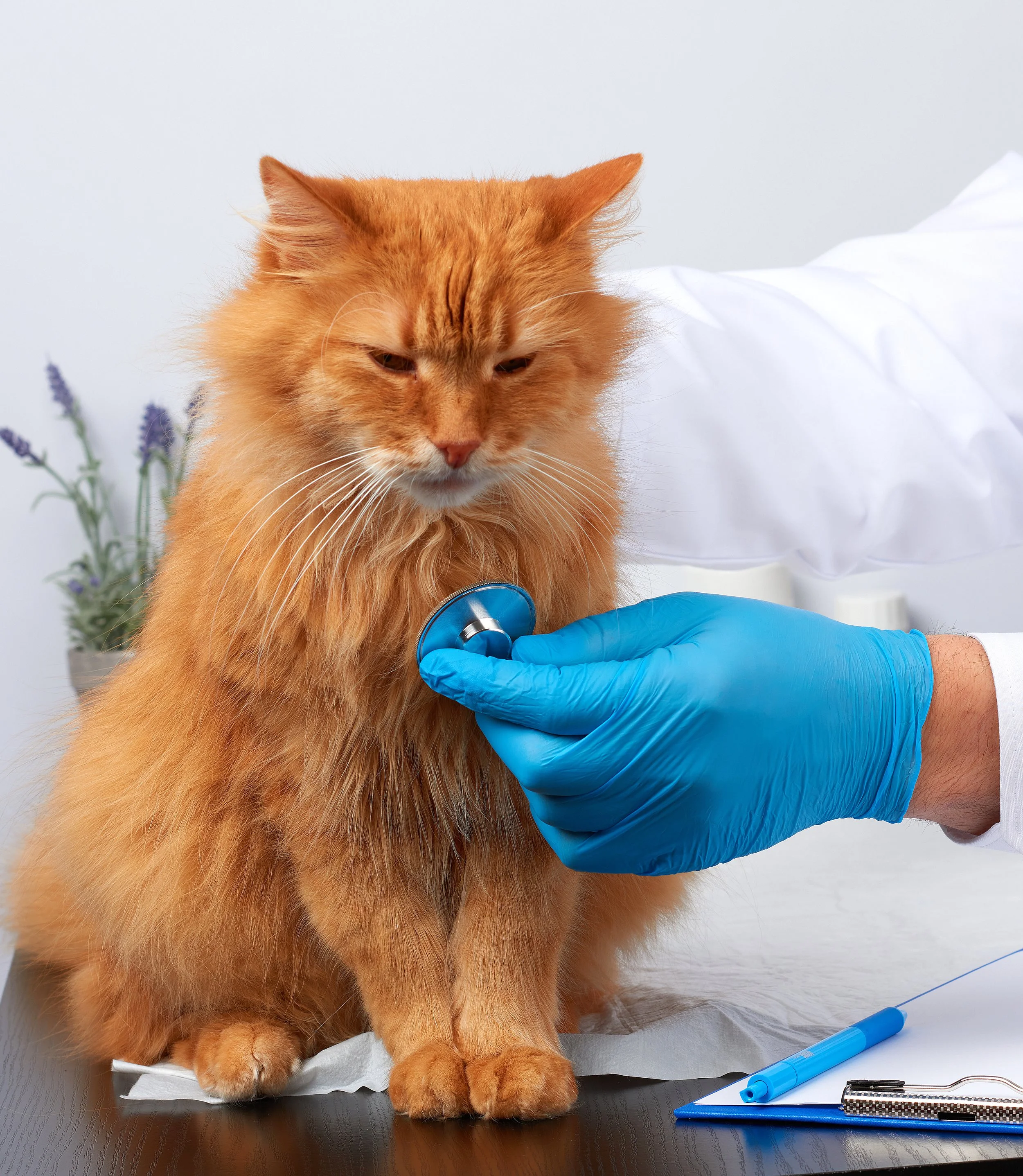
6. What happens afterwards?
Following euthanasia, you will be able to discuss the available aftercare options with the FAB Vets team. This can include cremation or other arrangements depending on your preferences. The team will explain the process clearly, give you time to make your decision and handle your pet with dignity and respect.
7. What cremation options are available?
Pet cremation arrangements can vary depending on the provider and your wishes. Options may include individual cremation, where your pet's ashes can be returned to you, or communal cremation. FAB Vets can explain the aftercare options available through the practice and help you choose an arrangement that feels appropriate for you and your pet.
8. How can I help children cope?
Be honest with children using language that is appropriate for their age and allow them to ask questions and express their feelings. Avoid phrases that could cause confusion, such as saying that a pet has simply "gone to sleep". Encourage children to remember their pet in a way that feels meaningful to them, such as creating a memory box, drawing pictures or sharing favourite memories.
9. Where can I find bereavement support?
Losing a pet can be deeply upsetting, and there is no single "right" way to grieve. Talking to family and friends, your veterinary team or a dedicated pet bereavement support service can help. FAB Vets can point you towards appropriate sources of bereavement support if you are struggling after the loss of a much-loved companion.
10. How does FAB Vets support families at this difficult time?
At FAB Vets, we understand that pets are members of the family and that saying goodbye can be incredibly difficult. The team provides compassionate guidance throughout end-of-life care, from discussing quality of life and palliative options to explaining euthanasia and aftercare. Our aim is to give you time, understanding and clear information, while ensuring your pet's comfort and dignity remain at the heart of every decision.

Independently owned. Locally loved.
At Fab Vets, our mission is simple: to provide honest, expert veterinary care for the pets of Stourbridge, with compassion, character, and a personal touch.
As an independent practice, we’re proud to put pets first, always. No shareholders. No scripts. Just real care from people who genuinely love what they do.
our story
Find Us
want to Bring your pet to see us?
We’re in the heart of Stourbridge
Fab Vets is based right here in Stourbridge, easy to find, easy to park, and always ready to welcome you and your pets.
our address: 91-93, The Broadway, Norton, Stourbridge, DY8 3HX

